Enhancing Laboratory Safety with Class 2 Biosafety Cabinets and Microbiological Protection
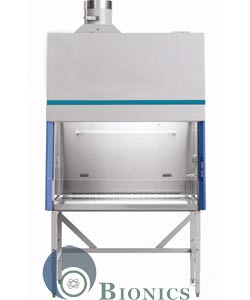
In today’s scientific and clinical labs, safety for personnel and samples is non-negotiable. Whether it's biotech development, pharmaceutical research, or microbiological analysis, biosafety cabinets form the backbone of contamination control.
Of all types, Class 2 cabinets are most commonly used due to their efficiency and versatility. These units are crucial for working with moderate-risk organisms and sensitive samples.
Understanding Biosafety Cabinets
Biosafety cabinets are airflow-controlled workspaces engineered for microbiological safety. They use HEPA filtration to remove contaminants from incoming and outgoing air.
These units are generally classified into three main types: Class I, II, and III based on containment level. Among these, Class 2 cabinets are the most versatile and commonly used.
What Are Class 2 Biosafety Cabinets?
Class 2 Biosafety Cabinets ensure safety on all fronts—personnel, workspace, and biological material. They direct filtered airflow in a laminar pattern over the work surface.
Contaminated air is drawn into the cabinet and filtered through HEPA systems before recirculation or exhaust. These cabinets are suited for clinical, research, and pharmaceutical lab applications.
Essential Features of Class 2 Safety Cabinets
A Class 2 microbiological safety cabinet includes several critical technologies such as:
• High-efficiency air filters to ensure clean workspace air
• Uniform downward airflow to protect the sample zone
• Negative pressure barriers to prevent leakage
• Built-in UV sterilisation for decontaminating surfaces
• Low sound emissions to reduce fatigue
• Front glass for full control and protection
These elements support lab workers in maintaining sterile working environments.
Where Class 2 Cabinets Are Used
Class 2 Biosafety Cabinets are commonly used across microbiology, biotechnology, diagnostics, and pharma. They are ideal for safe handling of samples during testing and experimentation.
From universities to private pathology labs, Class 2 cabinets ensure lab hygiene and sample integrity.
Benefits of Using Class 2 Biosafety Cabinets
Using Class 2 cabinets offers significant improvements in contamination control and user safety:
• Reduces the risk of sample cross-contamination and error
• Acts as a barrier between user and biohazard
• Improves environmental safety by filtering outgoing air
These cabinets combine safety features with operational efficiency.
Design and Compliance Standards
Top manufacturers ensure their cabinets meet certifications like Biosafety Cabinets NSF 49, EN 12469, and WHO recommendations. Class 2 units are sub-classified as A1, A2, B1, and B2—based on varying airflow balance and ducting needs.
• Type A2: Most commonly used cabinet model
• Type B2: Exhausts 100% of air via ducting; no recirculation
Selecting the right configuration ensures compliance and safety.
Tips for Purchasing the Ideal Biosafety Cabinet
Before purchasing, consider:
• The types of agents and materials handled
• Available lab space and utility infrastructure
• Energy consumption and maintenance frequency
• Manufacturer reputation and post-sale support
Partnering with a trusted provider helps meet both performance and safety needs.
Installation and Safety Guidelines
For optimal results:
• Install the cabinet in a draft-free, low-traffic zone
• Ensure annual certification and airflow testing
• Train users in proper techniques and precautions
Operational best practices include:
• Always wear appropriate lab PPE
• Minimise hand movements inside the cabinet
• Clean all contact points post-operation
• Never activate UV when humans are present
Conclusion
Class 2 biosafety cabinets are a cornerstone of any safe, efficient laboratory. They safeguard both research outcomes and operator health.
From pathology labs to advanced genetic testing, Class II cabinets maintain sterility in sensitive procedures. When investing in a biosafety cabinet, prioritise compliance, usability, and long-term support—because your research deserves the best protection.